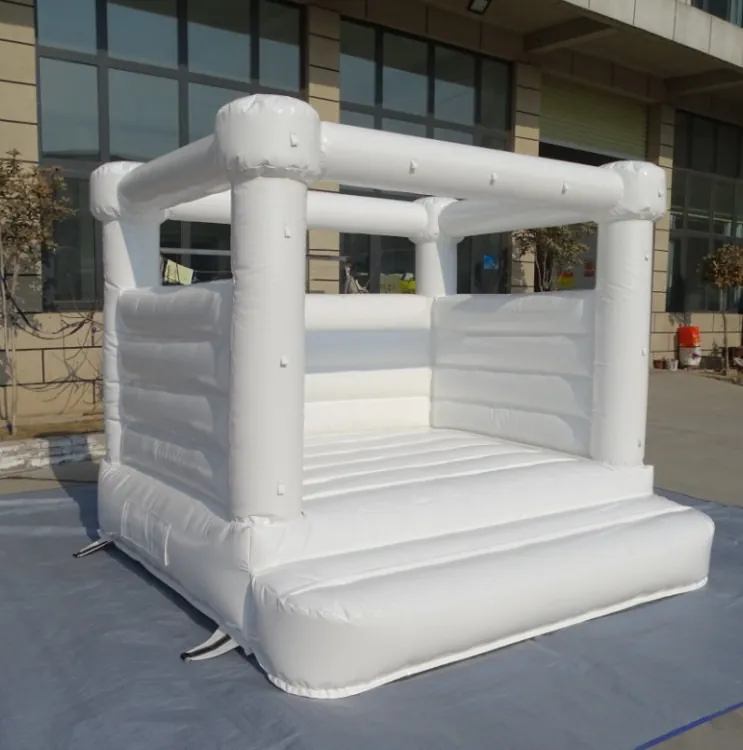
Starting a soft play company is one of the most rewarding ventures in the children’s entertainment industry. It blends creativity, customer service, safety management, and entrepreneurship into a business that brings joy to families while generating steady income. Whether you are planning to run a mobile soft play hire service or open a full indoor soft play centre, understanding how the industry works and what it takes to deliver memorable experiences is the foundation of long-term success.
A soft play business begins with understanding your market. Parents, nurseries, schools, event planners, and community groups are your primary customers, and each of them values something slightly different. Parents want safe and clean environments for their toddlers to explore. Nurseries and schools look for reliable partners who can deliver structured play experiences. Event planners focus on aesthetics, punctuality, and easy coordination. Before investing in equipment or signing a lease, take time to study the demand around you. Visit existing play centres, research their offerings, read customer reviews, and identify what they do well—along with what families feel is missing. These observations will help you shape a service that stands out rather than blends in.
The next major step is understanding the startup costs and how they differ between mobile and fixed-location soft play businesses. A mobile soft play company typically requires less capital because you only need a selection of soft play sets, a suitable vehicle, storage, and insurance. On the other hand, an indoor soft play centre demands more significant investment due to rent, renovations, safety surfacing, multi-level play structures, staff salaries, and ongoing facility maintenance. While the cost is higher, the potential revenue can also be greater because you can offer party rooms, cafés, memberships, and school-day bookings. Before choosing a model, weigh your budget, lifestyle preferences, and how hands-on you want to be.
Safety and compliance are non-negotiable parts of running a soft play business. Parents trust you with their children, and that trust must be honoured through high safety standards. Soft play equipment must comply with safety regulations, including toy standards and play structure guidelines. If you operate an indoor venue, you will need to meet facility, fire, and sanitation requirements as well. Mobile operators must ensure their equipment is kept clean, maintained, and properly assembled at every event. Maintaining daily cleaning logs, equipment checklists, accident report forms, and staff training records is essential—not only for safety but also for insurance and legal protection.
Insurance plays a critical role in protecting both your business and your customers. Public liability insurance is mandatory in this line of work because it covers injuries or accidents involving visitors or your equipment. If you hire staff, employers’ liability insurance becomes a legal requirement. You may also consider equipment, vehicle, and cyber insurance depending on your operations. A good insurance broker with experience in leisure or children’s activity businesses can guide you toward the right coverage.
Once the legal and safety foundations are in place, you can focus on the fun part—planning your play environment. For mobile soft play, this means selecting vibrant, easy-to-clean equipment that appeals to toddlers and can be transported without difficulty. For indoor centres, it involves designing your layout carefully to ensure visibility for parents, designated zones for different age groups, comfortable seating, party rooms, and possibly a café. Cleanliness is one of the top things parents look for, so invest in durable, easy-to-clean flooring, high-quality foam coverings, and a consistent cleaning routine.
Your operations will depend on how organised your systems are. Training your staff to understand child supervision, customer service, first aid, and cleaning procedures ensures that every family receives a great experience. Booking systems are also critical—they help manage capacity, reduce no-shows, and allow customers to pay in advance. Clear communication, timely reminders, and friendly service go a long way in building a loyal customer base.
Marketing your soft play company involves building a strong local presence both online and offline. Social media platforms like Facebook, Instagram, and TikTok are powerful tools for showcasing your play setups, sharing customer testimonials, and promoting special offers. Parents love to see real experiences, so visually engaging posts—especially videos of clean, appealing setups or happy children (with parental permission)—can drive more bookings than traditional ads. Listing your business on Google makes it easier for local families to find you, and accumulating positive reviews builds credibility. Collaborating with nurseries, photographers, family bloggers, and event planners can also help you reach new audiences.
As your business grows, maintaining high standards becomes even more important. Regular equipment inspections, deep cleaning schedules, and customer feedback systems help you ensure safety and quality. Many soft play businesses experience seasonal fluctuations, so diversifying your revenue through weekday play sessions, holiday events, corporate hires, or add-on services like balloon décor or mascot characters can help stabilise your income.
Starting a soft play company is more than a commercial venture; it is a community-focused business that brings joy and connection to families. With the right planning, safety practices, marketing strategy, and dedication to service, you can create a thriving business that becomes a favourite destination for parents and children alike. Whether you choose a mobile setup or a full indoor centre, your commitment to safety, cleanliness, and a delightful play experience will set you apart and lay the foundation for a successful and fulfilling enterprise.